Drug & Alcohol Rehab in Santa Ana.

Personalized, evidence-based care for substance use and co-occurring mental health conditions — delivered by a compassionate Orange County clinical team across PHP, IOP, virtual IOP, and outpatient programs.

5.0

Based on 55+ Google reviews from clients and families.

We accept most PPO insurance providers.

Complete the form for a free insurance coverage check or call us to speak with an experienced and compassionate team member who can guide you in maximizing your benefits. Your insurance provider will not be notified.

Aetna    Cigna    Anthem    BCBS    United

"*" indicates required fields

MM slash DD slash YYYY
Explore our services

Treatment options for addiction & mental health disorders.

Addiction treatment looks different for everyone. Some need help managing withdrawal, others benefit from long-term outpatient care. Every stage of recovery is met with a personalized plan.

Specialized clinical care for a drug 50–100× stronger than morphine — with evidence-based approaches to withdrawal and long-term recovery.
Integrated therapy for the most prevalent substance use disorder in the U.S., addressing dependence, medical risk, and sustained recovery.
Comprehensive alcohol addiction treatment through a secure online platform. Clinical-grade care that works around your schedule.
Discreet, flexible treatment built around demanding careers — structured clinical care delivered online, without disrupting your working week.
Mood stabilization through medication, therapy, and structured support — helping you prevent episodes and maintain long-term stability.
Trauma-informed therapies that help the brain process traumatic memories, regulate stress responses, and restore a sense of safety.
Multiple weekly therapy sessions over secure telehealth — evidence-based treatment while you continue to live at home.
Safely discontinue alprazolam with evidence-based care that addresses tolerance, dependence, and severe withdrawal.
Specialized care for the profound changes meth causes in the brain and body — proven therapies for stabilization and long-term healing.
We coordinate medically supervised detox with trusted rehab partners so you can transition safely into longer-term care with us.
Compassionate, evidence-based care for anxiety, depression, bipolar, PTSD, BPD, and co-occurring disorders in Southern California.
Integrated care for co-occurring addiction and mental health disorders — coordinated therapies that treat both conditions together.
We help place you in a trusted residential inpatient program for 24/7 addiction and mental health care across Orange County.
Structured, flexible IOP in Orange County — group, individual, and family therapy with dual-diagnosis support.
Full-day PHP care in Orange County — six or more hours of clinical support, five days a week, with evenings back at home.
HIPAA-compliant telehealth IOP delivering evidence-based addiction and mental health care to residents anywhere in California.
Flexible weekly therapy, MAT, and dual-diagnosis support that preserves work, school, and family life.
Take a look around

Clean, modern facilities in Orange County.

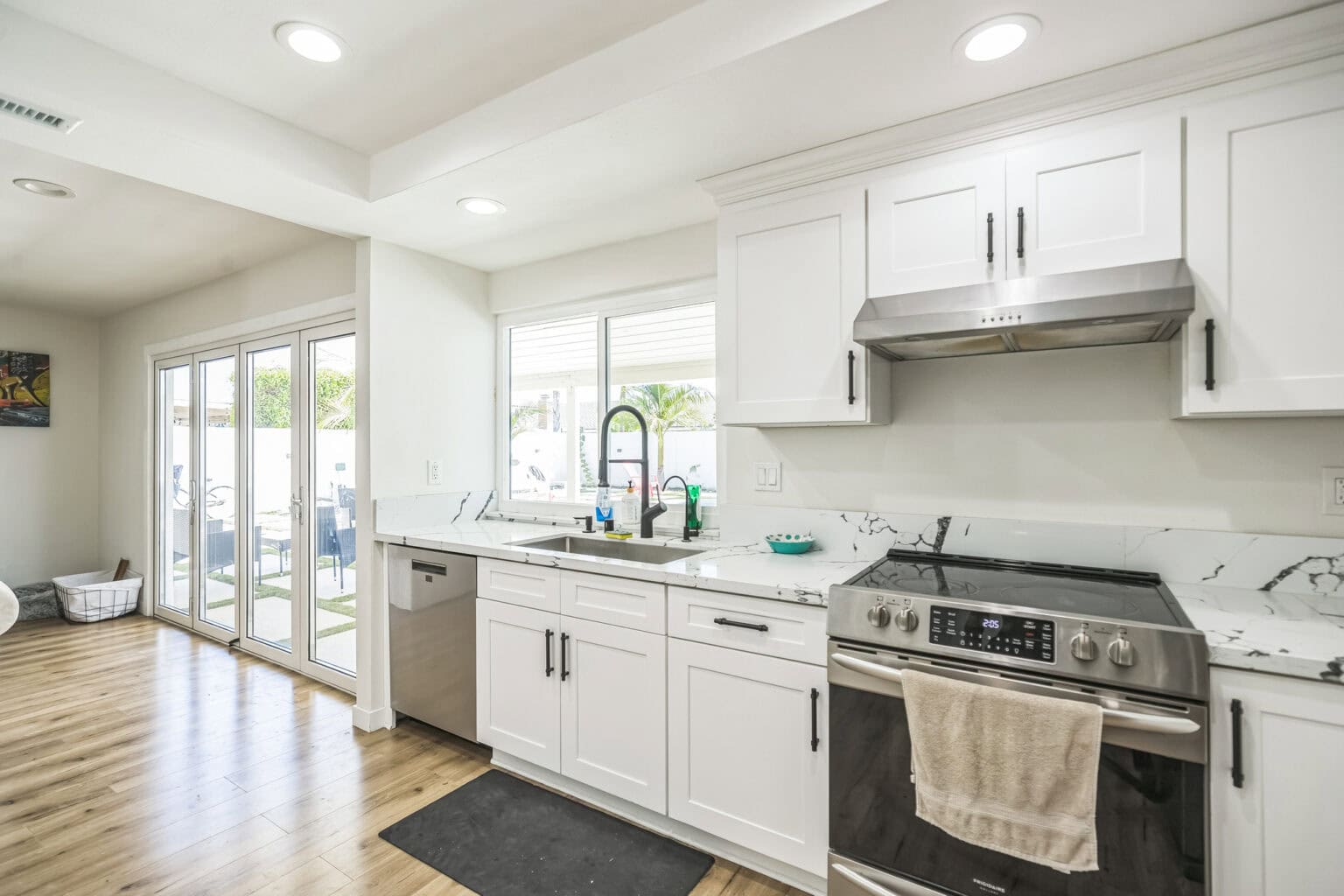
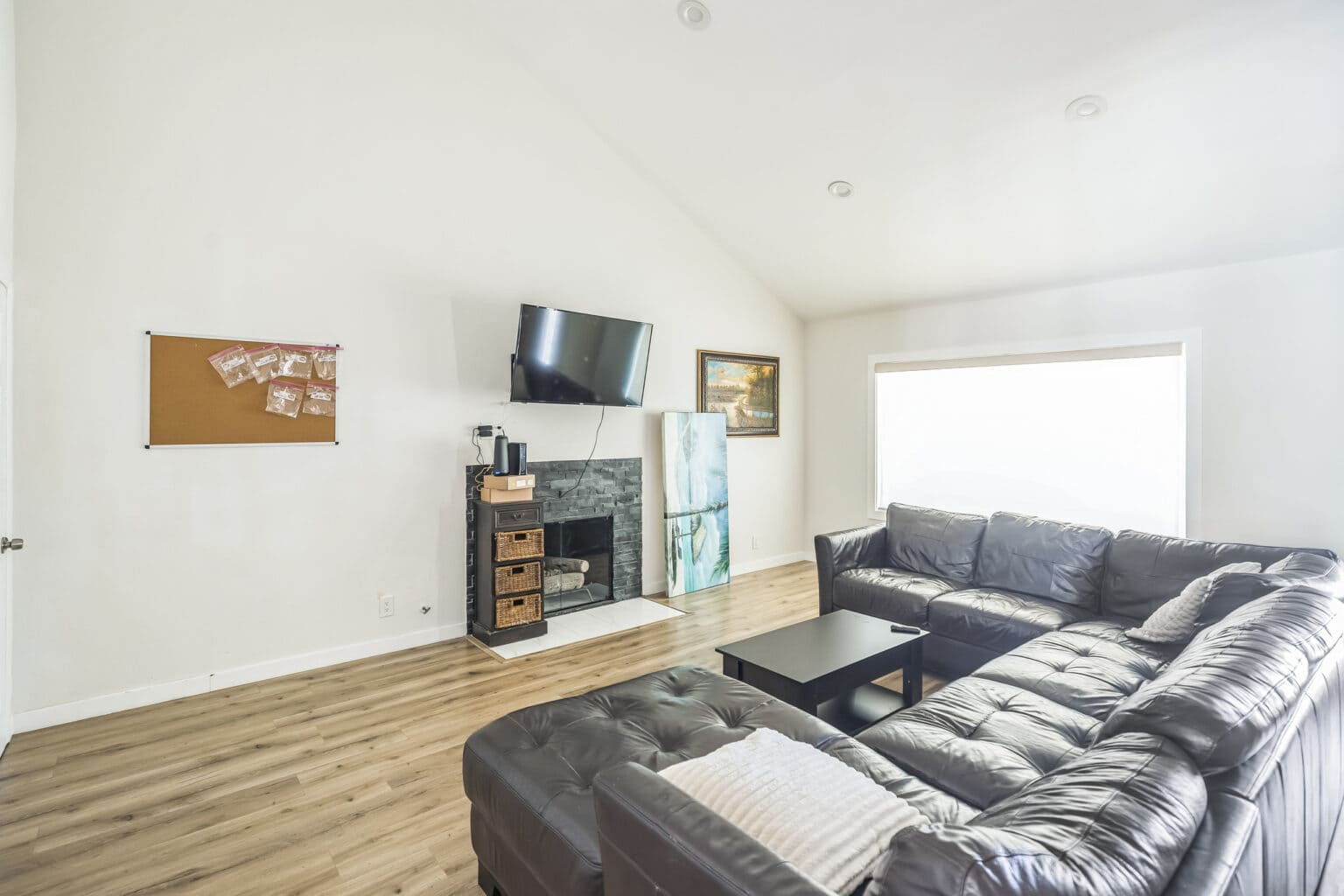
Comfort matters. Our treatment homes are designed to feel calm, private, and unmistakably residential — a place to focus fully on recovery.

Wavecrest Behavioral Health clinical care team in Santa Ana, California

EXPLORE OUR TREATMENT SERVICES

An alcohol and drug addiction treatment center in Santa Ana, CA.

We believe everyone deserves a life of peace, fulfillment, and happiness. Substance use and mental health challenges are not signs of weakness — they reflect the strength and resilience of the people facing them. Our approach nurtures that resilience through compassionate, evidence-based care.

Therapies that build resilience

Evidence-based therapies and structured outpatient care — designed to strengthen the emotional and mental resilience recovery depends on.

Family in the process

Healing isn't just individual. Family therapy and participation rebuild trust, communication, and connection throughout treatment.

Upscale, personalized care

Comforting surroundings, a dedicated case manager, and a personal treatment team — so you can focus fully on recovery.

Testimonials

What clients are saying.

5.0

55+ verified Google reviews
Picture of Roberto Sepulveda

Roberto Sepulveda

Mar 2026

“I would recommend Wavecrest to anybody trying to change their life for the better. The staff is so responsive and encouraging. I feel like they meet clients where they are at and are willing to personalize their treatment plan to the best benefits of the individual client. It’s not a one size fits all approach. They have amazing clinicians that help with medication management and the groups themselves are engaging. The facilitators make sure to connect with the group as a whole. They make clients feel safe and heard and affirmed.”

Picture of Monica

Monica

Mar 2026

“Wavecrest is a high quality center for people looking to recover from ongoing SUD and MH issues. The operations and clinical staff work together to provide services including group and individual therapy, MAT, and give an intensive introduction to 12-Step based recovery programs that will benefit individuals long after they leave treatment. The support network between staff and clients alike is a key component of lasting success in recovery.”

Picture of Justin Segarra

Justin Segarra

Sep 2025

“My brother was struggling with addiction, and our family felt completely lost. Once he got to Wavecrest, everything changed. The housing was clean and comfortable, and the staff were truly amazing — attentive, compassionate, and supportive every step of the way. Thanks to Wavecrest, I feel like I’ve gotten my brother back.”
Picture of Kat G.

Kat G.

Mar 2026

“When I first came in I was lost and didn’t think sobriety was possible for me, but the support and structure here showed me that recovery is real if you’re willing to do the work. This place isn’t just a program — it’s a community of people who actually want to see you succeed. Because of the support here, I’m sober today and building a life I’m proud of.”
Picture of Celina Giraldo

Celina Giraldo

Mar 2026

“This treatment center truly helped me change my life. The environment here made a huge difference for me. The staff genuinely care and they treat you like a person, not just another client in a program. Because of the support I received here, I’ve been able to stay committed to my sobriety and continue building a better life for myself.”

Picture of Victoria Clark

Victoria Clark

Mar 2026

“The staff genuinely care about the people in the program and it shows in the way they treat everyone with patience and respect. It’s not just a place for treatment — it’s a place where people actually care and want to see you succeed. I’m really grateful for everything the staff did to help me rebuild my life.”

Common questions

Frequently asked questions.

How do I choose the best rehab in Santa Ana?

At Wavecrest Behavioral, we understand that choosing a treatment center is a deeply personal decision. With so many options for treatment centers, it’s important to look for accredited rehab centers that prioritize individualized care, licensed staff, and a full range of services. The best rehab programs don’t just treat addiction—they support the whole person.

We’re proud to be recognized among the most trusted addiction treatment centers in Orange County and Southern California, offering safe, ethical, and effective care for drug addiction, alcohol rehab, and co-occurring mental illness.

Whether you’re beginning residential care or enrolling in one of our outpatient treatment programs, each day in an Orange County drug rehab is thoughtfully structured to support your recovery. Treatment generally includes:

  • Group therapy and individual sessions
  • Mental health services for those with co-occurring disorders
  • Evidence-based practices like Cognitive Behavioral Therapy
  • Skill-building workshops and relapse prevention
  • Time for mindfulness, reflection, and community
  • Support groups like Alcoholics Anonymous or Narcotics Anonymous

At our rehab centers in Orange County, CA, your treatment plan is customized to your clinical needs and adjusted as you progress. From early stabilization to long-term recovery, every part of the process should be handled with care. Our treatment centers are committed to offering personalized support for substance use disorders that helps people overcome addiction and stay on track in their recovery journey. For more information, call our Orange County rehab centers at 866-655-6023.

Our Orange County rehab offers a full spectrum of care, from day treatment and intensive outpatient rehab to structured aftercare planning. We treat alcohol use, drug addiction, and prescription drug misuse—all within the context of each person’s physical, emotional, and mental health. Clients can access high-quality substance abuse treatment while living at home or in a supportive recovery residence, depending on their level of need.
Yes. Many people dealing with substance abuse are also struggling with mental health issues like anxiety, depression, or PTSD. We specialize in dual diagnosis care, which means we treat both conditions at the same time, within the same program. Whether you’re in our Orange County outpatient program or attending a more intensive level of care, our clinical team will address your full picture—not just one part of it.

Very. At our rehab in Orange County, we know substance use disorders often go hand-in-hand with anxiety, depression, or trauma. That’s why we offer integrated treatment for both addiction and mental illness. Whether you’re in outpatient care or a more intensive program, our care team works together to support healing on every level.


Straightforward. Call or reach out online — our admissions specialists will talk with you about your situation and help determine the most appropriate level of care. From the first conversation, our focus is on getting you the right support quickly.

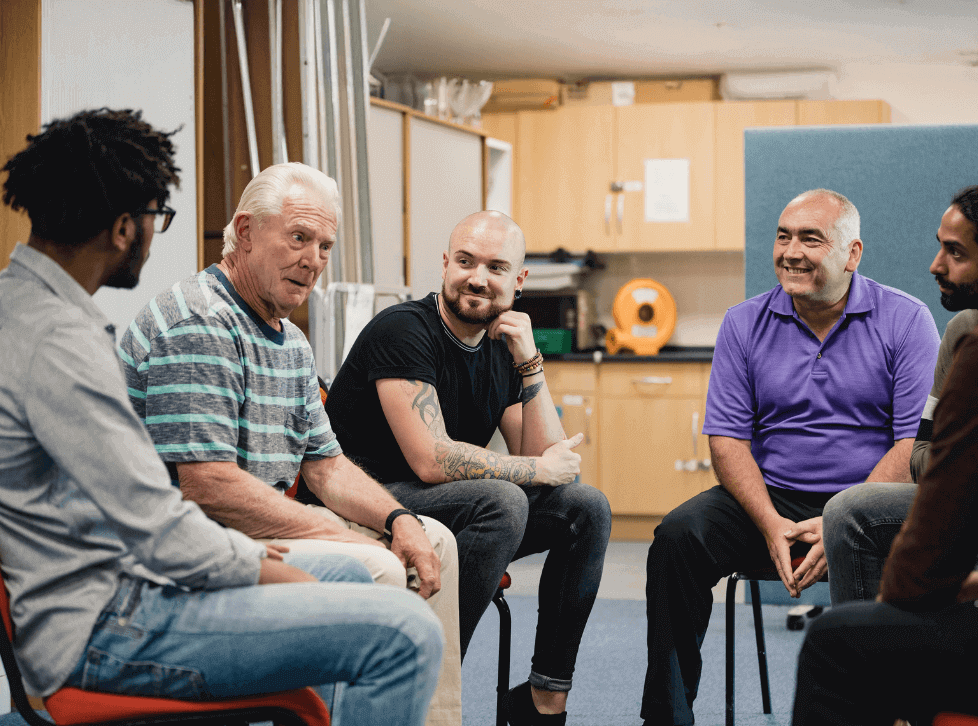
Group therapy is one of the core components of addiction treatment at a drug alcohol rehab in South California. It gives clients the opportunity to connect with others facing similar challenges, share their experiences, and learn from one another in a safe, structured setting.

In group sessions, your loved one will explore topics like relapse prevention, healthy communication, emotional regulation, and more—all guided by a licensed therapist and case manager. Group counseling helps reduce isolation, encourages accountability, and builds community.

At our Southern California rehab, group therapy is offered alongside individual sessions, behavioral health services, and other evidence-based care. Everything we do is rooted in compassionate treatment—with the goal of helping each person build a life free from substance use.

Latest articles

Recovery blog.

Few topics in addiction treatment are as misunderstood as Medication-Assisted Treatment. For years, a stubborn myth has circulated that using medication to treat addiction is simply “replacing one drug with another.” That belief has kept countless people from a treatment approach that decades of research show saves lives. The reality is that Medication-Assisted Treatment is one of the most effective, evidence-based tools available for treating opioid and alcohol use disorders.

This guide explains what MAT actually is, how it works, which medications are involved, and why pairing medication with therapy produces better outcomes than either approach alone.

Defining Medication-Assisted Treatment

Medication-Assisted Treatment, or MAT, is the use of FDA-approved medications, in combination with counseling and behavioral therapy, to treat substance use disorders. The phrase that matters most in that definition is “in combination.” MAT is not medication handed out in isolation. It is medication integrated into a complete treatment plan that includes therapy, peer support, and clinical oversight.

The approach is sometimes called Medications for Addiction Treatment (MAT) or Medications for Opioid Use Disorder (MOUD), and it is endorsed by leading medical authorities including the Substance Abuse and Mental Health Services Administration and the World Health Organization. It is considered a clinical standard of care for opioid use disorder, not an alternative or last resort.

How Does MAT Work?

Addiction physically changes the brain. Prolonged opioid or alcohol use rewires the brain’s reward and stress systems, producing intense cravings and severe withdrawal that make stopping enormously difficult through willpower alone. MAT works by addressing that biology directly.

Depending on the medication, MAT can:

  • Reduce or eliminate physical cravings
  • Ease or prevent withdrawal symptoms
  • Block the euphoric effects of opioids or alcohol
  • Help normalize brain chemistry disrupted by long-term use

By quieting the cravings and withdrawal that drive relapse, MAT frees up the mental and emotional bandwidth a person needs to actually engage in therapy. It does not remove the work of recovery. It makes that work possible by stabilizing the biology underneath it.

Medications Commonly Used in MAT

Different medications serve different purposes, and the right one depends on the substance involved and the individual’s history and goals. The most established options include:

For Opioid Use Disorder

  • Buprenorphine – a partial opioid agonist that reduces cravings and withdrawal without producing the same high, often prescribed as Suboxone when combined with naloxone
  • Methadone – a long-acting medication that prevents withdrawal and cravings, dispensed through certified programs
  • Naltrexone – a medication that blocks the euphoric effects of opioids, available as a monthly injection (Vivitrol)

For Alcohol Use Disorder

  • Naltrexone – reduces cravings and the rewarding effects of alcohol
  • Acamprosate – helps stabilize brain chemistry after a person stops drinking
  • Disulfiram – produces unpleasant effects when alcohol is consumed, supporting abstinence

Every one of these medications is prescribed and monitored by a qualified clinician. Dosing is individualized, adjusted over time, and managed as part of a broader plan, never as a standalone fix.

Addressing the “One Drug for Another” Myth

The most damaging misconception about MAT deserves a direct answer. Medications like buprenorphine and methadone do act on the same receptors as the opioids they help treat, but the way they act is fundamentally different. Taken as prescribed, they stabilize brain chemistry without producing the cycle of intoxication, crash, and craving that defines active addiction. They allow a person to function, work, parent, and participate in therapy.

Comparing prescribed, clinically managed MAT to active drug use is like comparing insulin for diabetes to an unmanaged disease. One is a controlled medical treatment with a clear therapeutic purpose. The other is the illness itself. Research consistently shows that MAT reduces overdose deaths, improves treatment retention, and lowers relapse rates. For opioid use disorder in particular, it is among the most effective interventions medicine has.

Why Therapy Is Still Essential

MAT is at its most effective when the medication is one part of a complete plan. Medication can quiet the cravings, but it cannot teach coping skills, heal trauma, repair relationships, or rebuild a life. That is the work of therapy.

This is why MAT is integrated into structured programming rather than offered on its own. In a quality program, medication management runs alongside individual therapy, group therapy, and treatment for any co-occurring mental health conditions. The medication creates stability; the therapy builds the foundation for lasting recovery. Neither does the whole job alone.

Where MAT Fits in the Treatment Process

For many people, MAT begins during medically supervised detox, where it eases the acute withdrawal that makes the early days so difficult. From there, it continues through ongoing treatment, supporting people as they move through structured programming and into long-term recovery. MAT is especially central to opioid and heroin addiction treatment and plays an important role in alcohol addiction treatment as well.

How long someone stays on medication varies widely. Some people use MAT for months, others for years, and the decision is always made collaboratively with the clinical team based on individual progress and goals. There is no single correct timeline, and there is no prize for stopping medication early at the cost of stability.

Medication-Assisted Treatment at Wavecrest Behavioral Health

At Wavecrest Behavioral Health, Medication-Assisted Treatment is delivered the way the evidence says it works best: as one part of a complete, individualized plan. Our clinical team combines medication management with evidence-based therapy and dual diagnosis care, so the biology and the underlying causes of addiction are treated together. You can read more about our approach to MAT in Santa Ana, and explore how it integrates with our intensive outpatient programming.

If you have been told that needing medication means you are not “really” sober, know that the science says otherwise. Effective treatment is whatever helps you stay alive, stay engaged, and build a life worth staying in recovery for.

To learn whether Medication-Assisted Treatment is right for you or a loved one, complete our confidential contact form or call (866) 655-6023. Our team can verify your insurance and answer your questions at no cost.

Outpatient treatment is not one thing. It is a range, and two programs that both call themselves “outpatient” can look almost nothing alike. On one end is an intensive outpatient program delivering structured therapy several days a week. On the other is standard outpatient care, which might mean a single therapy session every week or two. Both have a place, and choosing the wrong one is a common reason people either feel overwhelmed by treatment or under-supported by it.

Understanding the difference is worth a few minutes, because the right level of care is one of the strongest predictors of whether treatment works. This guide breaks down how intensive outpatient and standard outpatient treatment compare, and how to tell which one fits your situation.

What Is Standard Outpatient Treatment?

Standard outpatient treatment is the least intensive level of structured care. It typically involves one or two hours of therapy per week, scheduled around your normal life. Sessions may be individual, group, or both, and the focus is on maintaining progress, building coping skills, and addressing issues as they come up.

Standard outpatient works best for people with mild symptoms, a strong support system, and stable circumstances. It is also a common long-term step for people who have already completed a more intensive program and are now maintaining their recovery. The defining trait of standard outpatient is flexibility: it fits around work, school, and family with minimal disruption, but it provides relatively little structure on its own.

What Is an Intensive Outpatient Program (IOP)?

An intensive outpatient program, or IOP, is a significant step up in structure and support. A typical IOP delivers nine to fifteen hours of treatment per week, spread across three or four sessions. That usually includes a mix of group therapy, individual therapy, skills training, and relapse prevention work, all delivered by licensed clinicians. Explore our guide on what to expect from your first week in addiction treatment.

The “intensive” in intensive outpatient is the key word. An IOP provides enough therapeutic contact to drive real change for moderate to severe conditions, while still allowing clients to live at home and keep up with their responsibilities. It occupies the middle of the treatment continuum: more comprehensive than weekly therapy, but without the full days of a partial hospitalization program or the overnight care of a residential stay.

The Core Differences at a Glance

The distinction between the two comes down to a handful of factors:

  • Time commitment – Standard outpatient is one to two hours a week. IOP is nine to fifteen hours a week across multiple sessions.
  • Structure – Standard outpatient offers light structure. IOP builds a consistent weekly routine that supports recovery.
  • Clinical intensity – Standard outpatient suits mild or maintenance-stage needs. IOP is built for moderate to severe presentations.
  • Peer support – IOP’s group format creates a built-in community and accountability that weekly therapy rarely provides.
  • Best use – IOP is often a starting point or a step down from higher care. Standard outpatient is often a step down from IOP.

How to Know Which One You Need

The honest answer is that the right level of care depends on your specific situation, and a clinical assessment is the most reliable way to determine it. That said, there are useful signals.

Standard outpatient care may be enough if your symptoms are mild, your home environment is stable and supportive, you are not in early recovery from significant dependence, and weekly check-ins are sufficient to keep you on track. It also tends to be the right level once you have completed more intensive treatment and are maintaining your progress.

An IOP is usually the better fit if any of the following are true:

  • Weekly therapy has not been enough to maintain progress
  • You are in the early, higher-risk stages of recovery
  • You are stepping down from detox, residential, or a partial hospitalization program
  • You are managing a co-occurring mental health condition alongside substance use
  • You need more structure and accountability than one session a week can provide

A good rule of thumb: if you find yourself white-knuckling between weekly appointments, that is often a sign you need the additional structure an IOP provides. Stepping up before a relapse is far easier than recovering from one.

Why the Right Level of Care Matters So Much

Matching the level of care to the actual need is not a formality. Too little support in early recovery leaves people exposed to relapse during the most vulnerable period. Too much, for too long, can disrupt the work and family life that recovery is meant to protect. The goal is the right intensity at the right time, with the ability to step up or down as circumstances change. That is why the most effective treatment plans are not fixed. They move with you.

Flexible IOP at Wavecrest Behavioral Health

At Wavecrest Behavioral Health, our intensive outpatient program delivers structured, evidence-based care with the flexibility to fit real life. For people balancing demanding careers, our virtual IOP for working professionals makes it possible to get serious clinical support without stepping away from work. If you are weighing whether to attend in person or online, our comparison of virtual versus in-person IOP walks through the trade-offs.

Whether you start with IOP, step down to standard outpatient, or move up from detox first, the team builds your plan around where you actually are in recovery.

Not sure which level of care fits your situation? Reach out through our confidential contact form or call (866) 655-6023 for a free assessment. We will help you find the right starting point.

If you or someone you love is looking into treatment, you’ve probably run into a wall of acronyms: PHP, IOP, detox, dual diagnosis. They describe different levels of care, and understanding them is the first step to finding the right fit. A partial hospitalization program, or PHP, is one of the most intensive options available without staying overnight, and for many people it’s the ideal middle ground.

This guide explains what a PHP is, what a typical day looks like, who it’s best suited for, and how it compares to other levels of care. If you’re weighing your options for treatment in Orange County, it will help you understand where PHP fits and whether it might be right for your situation.

What Is a Partial Hospitalization Program?

A partial hospitalization program is a structured, intensive form of treatment that provides hospital-level clinical care during the day while allowing you to return home each evening. It’s sometimes called “day treatment” for that reason.

A typical PHP runs about five to six hours a day, five days a week. During that time you receive a full schedule of therapy and clinical support: individual counseling, group therapy, psychiatric care, medication management, and skill-building, all delivered by a licensed clinical team. It offers nearly the intensity of inpatient care, but with the freedom to sleep in your own bed and stay connected to family and home life.

Where PHP Fits in the Continuum of Care

Treatment isn’t one-size-fits-all. It’s a continuum, ranging from round-the-clock care to occasional check-ins. From highest to lowest intensity, it generally looks like this:

  • Detox. Medically supervised withdrawal, the first step for many.
  • Inpatient or residential treatment. 24/7 care with overnight stays.
  • Partial hospitalization program (PHP). Full days of treatment, home at night.
  • Intensive outpatient program (IOP). Several hours, a few days a week.
  • Standard outpatient. Weekly or biweekly therapy.

PHP sits near the top of the outpatient range, just below residential care. Many people use it as a step down from inpatient treatment or detox, while others start at the PHP level when they need intensive support but don’t require an overnight stay.

What a Day in PHP Looks Like

Every program is structured a little differently, but a day in PHP is full and purposeful. You can generally expect a mix of:

  • Group therapy, the core of most programs, where you build skills and connection alongside peers.
  • Individual therapy with a licensed clinician focused on your specific goals.
  • Psychiatric care and medication management, especially important for co-occurring conditions.
  • Skill-building and relapse-prevention work, practical tools you can use in daily life.
  • Holistic and wellness activities, which may include mindfulness and stress management.

Because you head home each evening, you also get to practice what you learn in your real environment, then bring questions and challenges back to your team the next day.

Who Is PHP Right For?

PHP is a strong fit for people who need significant structure and clinical support but don’t require 24-hour supervision. It’s often the right level of care if you:

  • Are stepping down from detox or inpatient treatment and aren’t ready for a lighter program yet.
  • Have a stable, supportive home environment to return to each night.
  • Need more support than an IOP can provide.
  • Are managing a co-occurring mental health condition alongside substance use.
  • Want intensive treatment while staying connected to family and home.

The surest way to know is a professional assessment, which matches the level of care to your specific needs.

PHP vs. IOP vs. Inpatient: The Key Differences

These three levels are easy to confuse, so here’s how they compare:

  • Inpatient or residential. You live at the facility and receive 24/7 care, best for those who need a fully controlled environment or around-the-clock medical supervision.
  • PHP. Full days of treatment, about 5 to 6 hours a day, 5 days a week, but you go home at night. Nearly inpatient-level intensity with more freedom.
  • IOP. Less time-intensive, usually 9 to 15 hours a week across a few sessions. A step down from PHP that fits more easily around work or school.

If you’re deciding between the lighter options, our guide on IOP vs. standard outpatient breaks that comparison down further.

How Long Does PHP Last, and Does Insurance Cover It?

The length of a PHP varies by individual need, but many programs run somewhere from two to four weeks, often followed by a step down to IOP and then standard outpatient as you stabilize. Your clinical team reassesses regularly and adjusts your plan as you progress.

As for cost, most PPO insurance plans cover some level of PHP treatment. Coverage depends on your provider and plan, so the simplest step is to verify your benefits before you start. A coverage check is confidential, and your provider won’t be notified.

PHP at Wavecrest Behavioral Health

At Wavecrest Behavioral Health in Santa Ana, our partial hospitalization program delivers structured, evidence-based care for substance use and co-occurring mental health conditions, with the compassion and individual attention that make treatment work. Whether you’re stepping down from inpatient care or starting your recovery at the PHP level, our team builds your plan around where you actually are.

Not sure which level of care fits your situation? Reach out through our confidential contact form or call 866-366-6178 for a free, confidential assessment. We’ll help you find the right starting point.